

Israel grants visa-free entry to nationals of over 70 countries. If you hold a passport from one of these nations, you do not need to apply for a traditional visa before traveling to Israel. Instead, eligible travelers can enter with just a valid passport and, since 2025, an approved ETA-IL (Electronic Travel Authorization).
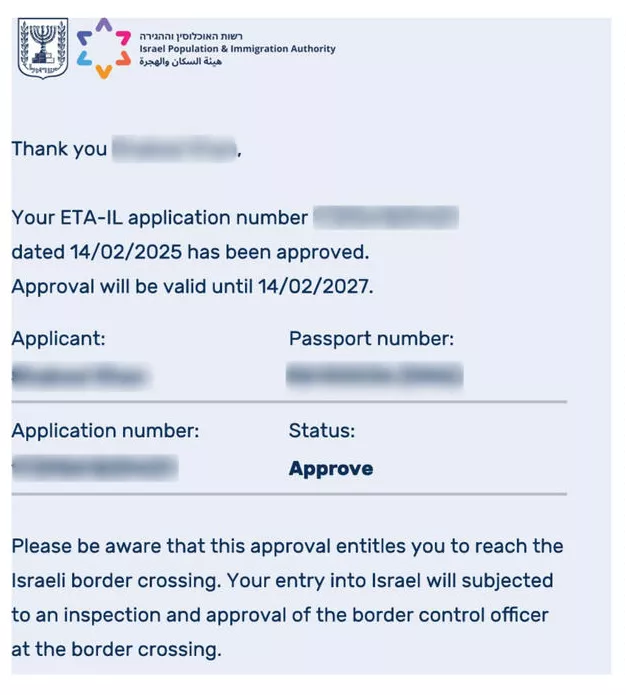
This guide lists every country whose citizens enjoy visa-free access to Israel, explains the rules that apply, and covers the exceptions you should know about before booking your trip.
What Does “Visa-Free” Mean for Israel?
Visa-free entry means you can arrive at an Israeli border crossing and receive permission to enter without having obtained a visa from an embassy or consulate beforehand. You will still need to:
- Hold a passport valid for at least six months beyond your planned stay
- Demonstrate the purpose of your visit (tourism, business, transit)
- Show proof of sufficient funds or a return ticket
- Obtain an approved ETA-IL if your country is part of the ETA program
Visa-free does not mean “no documentation at all.” Since January 2025, most visa-exempt travelers must hold an approved Electronic Travel Authorization before boarding their flight. See our complete guide on how to apply for the Israel ETA for step-by-step instructions.
Complete List of Israel Visa-Free Countries
The following table lists all countries whose passport holders can enter Israel without a visa. Citizens of EU member states benefit from bilateral agreements and the Schengen-area relationship.
Europe
| Country | Max Stay | Notes |
|---|---|---|
| Albania | 90 days | Visa-free with ETA-IL |
| Andorra | 90 days | Visa-free with ETA-IL |
| Austria (EU) | 90 days | EU member state |
| Belarus | 90 days | Visa-free with ETA-IL |
| Belgium (EU) | 90 days | EU member state |
| Bulgaria (EU) | 90 days | EU member state |
| Croatia (EU) | 90 days | EU member state |
| Cyprus (EU) | 90 days | EU member state |
| Czech Republic (EU) | 90 days | EU member state |
| Denmark (EU) | 90 days | EU member state |
| Estonia (EU) | 90 days | EU member state |
| Finland (EU) | 90 days | EU member state |
| France (EU) | 90 days | EU member state |
| Georgia | 90 days | Visa-free with ETA-IL |
| Germany (EU) | 90 days | EU member state |
| Greece (EU) | 90 days | EU member state |
| Hungary (EU) | 90 days | EU member state |
| Iceland | 90 days | Schengen member |
| Ireland (EU) | 90 days | EU member state |
| Italy (EU) | 90 days | EU member state |
| Kosovo | 90 days | Visa-free with ETA-IL |
| Latvia (EU) | 90 days | EU member state |
| Liechtenstein | 90 days | Schengen member |
| Lithuania (EU) | 90 days | EU member state |
| Luxembourg (EU) | 90 days | EU member state |
| Malta (EU) | 90 days | EU member state |
| Moldova | 90 days | Visa-free with ETA-IL |
| Monaco | 90 days | Visa-free with ETA-IL |
| Montenegro | 90 days | Visa-free with ETA-IL |
| Netherlands (EU) | 90 days | EU member state |
| North Macedonia | 90 days | Visa-free with ETA-IL |
| Norway | 90 days | Schengen member |
| Poland (EU) | 90 days | EU member state |
| Portugal (EU) | 90 days | EU member state |
| Romania (EU) | 90 days | EU member state |
| Russia | 90 days | Visa-free with ETA-IL |
| San Marino | 90 days | Visa-free with ETA-IL |
| Serbia | 90 days | Visa-free with ETA-IL |
| Slovakia (EU) | 90 days | EU member state |
| Slovenia (EU) | 90 days | EU member state |
| Spain (EU) | 90 days | EU member state |
| Sweden (EU) | 90 days | EU member state |
| Switzerland | 90 days | Schengen member |
| Ukraine | 90 days | Visa-free with ETA-IL |
| United Kingdom | 90 days | Visa-free with ETA-IL |
Americas
| Country | Max Stay | Notes |
|---|---|---|
| Argentina | 90 days | Visa-free with ETA-IL |
| Bahamas | 90 days | Visa-free with ETA-IL |
| Barbados | 90 days | Visa-free with ETA-IL |
| Belize | 90 days | Visa-free with ETA-IL |
| Brazil | 90 days | Visa-free with ETA-IL |
| Canada | 90 days | Visa-free with ETA-IL |
| Chile | 90 days | Visa-free with ETA-IL |
| Costa Rica | 90 days | Visa-free with ETA-IL |
| Dominica | 90 days | Visa-free with ETA-IL |
| Dominican Republic | 90 days | Visa-free with ETA-IL |
| Ecuador | 90 days | Visa-free with ETA-IL |
| El Salvador | 90 days | Visa-free with ETA-IL |
| Grenada | 90 days | Visa-free with ETA-IL |
| Guatemala | 90 days | Visa-free with ETA-IL |
| Haiti | 90 days | Visa-free with ETA-IL |
| Honduras | 90 days | Visa-free with ETA-IL |
| Jamaica | 90 days | Visa-free with ETA-IL |
| Mexico | 90 days | Visa-free with ETA-IL |
| Panama | 90 days | Visa-free with ETA-IL |
| Paraguay | 90 days | Visa-free with ETA-IL |
| Peru | 90 days | Visa-free with ETA-IL |
| Saint Kitts and Nevis | 90 days | Visa-free with ETA-IL |
| Saint Lucia | 90 days | Visa-free with ETA-IL |
| Saint Vincent and the Grenadines | 90 days | Visa-free with ETA-IL |
| Suriname | 90 days | Visa-free with ETA-IL |
| Trinidad and Tobago | 90 days | Visa-free with ETA-IL |
| United States | 90 days | Visa-free with ETA-IL |
| Uruguay | 90 days | Visa-free with ETA-IL |
Asia-Pacific
| Country | Max Stay | Notes |
|---|---|---|
| Australia | 90 days | Visa-free with ETA-IL |
| Fiji | 90 days | Visa-free with ETA-IL |
| Hong Kong | 90 days | SAR passport holders |
| Japan | 90 days | Visa-free with ETA-IL |
| Macau | 90 days | SAR passport holders |
| Marshall Islands | 90 days | Visa-free with ETA-IL |
| Micronesia | 90 days | Visa-free with ETA-IL |
| Mongolia | 90 days | Visa-free with ETA-IL |
| Nauru | 90 days | Visa-free with ETA-IL |
| New Zealand | 90 days | Visa-free with ETA-IL |
| Palau | 90 days | Visa-free with ETA-IL |
| Papua New Guinea | 90 days | Visa-free with ETA-IL |
| Philippines | 90 days | Visa-free with ETA-IL |
| Samoa | 90 days | Visa-free with ETA-IL |
| Singapore | 90 days | Visa-free with ETA-IL |
| Solomon Islands | 90 days | Visa-free with ETA-IL |
| South Korea | 90 days | Visa-free with ETA-IL |
| Taiwan | 90 days | Visa-free with ETA-IL |
| Tonga | 90 days | Visa-free with ETA-IL |
| Tuvalu | 90 days | Visa-free with ETA-IL |
| Vanuatu | 90 days | Visa-free with ETA-IL |
Africa and Middle East
| Country | Max Stay | Notes |
|---|---|---|
| Botswana | 90 days | Visa-free with ETA-IL |
| Eswatini | 90 days | Visa-free with ETA-IL |
| Lesotho | 90 days | Visa-free with ETA-IL |
| Malawi | 90 days | Visa-free with ETA-IL |
| Mauritius | 90 days | Visa-free with ETA-IL |
| South Africa | 90 days | Visa-free with ETA-IL |
| United Arab Emirates | 90 days | Visa-free with ETA-IL |
Do Visa-Free Travelers Still Need an ETA-IL?
Yes. Since the launch of the Electronic Travel Authorization system, most visa-exempt nationals must obtain an approved ETA-IL before traveling to Israel. The ETA-IL is not a visa – it is a pre-travel screening document that links to your passport electronically.
Key facts about the ETA-IL for visa-free travelers:
- Cost: NIS 25 (approximately USD 7) – see our Israel ETA fee guide for details
- Validity: Up to two years or until your passport expires, whichever comes first
- Processing time: Most applications are approved within minutes, though some may take up to 72 hours – read more about Israel ETA processing times
- Multiple entries: Each stay can last up to 90 days within a 180-day period
The application is completed entirely online. You do not need to visit an embassy or mail your passport. Our step-by-step guide to applying for the Israel ETA walks you through every field on the form.
Countries That Do Need a Visa for Israel
If your country is not listed above, you will need to apply for a visa at an Israeli embassy or consulate before traveling. Israel offers several visa types depending on the purpose of your visit:
- B2 Tourist Visa – for tourism and short visits (learn more)
- B1 Work Visa – for employment in Israel (learn more)
- A2 Student Visa – for academic studies
- A3 Clergy Visa – for religious workers
- Transit Visa – for passing through Israel to another destination (learn more)
Common countries whose citizens DO need a visa include India, China, Thailand, Vietnam, Nigeria, Ghana, Kenya, Pakistan, Bangladesh, Sri Lanka, and Indonesia. For the full picture of what documents you need, see our Israel visa requirements guide.
Special Cases and Exceptions
Non-Ordinary Passports
Holders of diplomatic, official, or service passports from certain countries may be exempt from visa requirements even if ordinary passport holders from those countries need a visa. These exemptions are based on bilateral agreements and vary by country.
Palestinian Territories
Entry to the West Bank and Gaza Strip is governed by separate regulations. Travelers entering through Israel are subject to Israeli immigration rules, while those entering the West Bank via Jordan may face different procedures.
Former Israeli Citizens
If you previously held Israeli citizenship, different rules apply. You may need to resolve your status with Israeli authorities before traveling, as Israel does not recognize renunciation of citizenship in all cases.
Multiple Nationality Holders
If you hold citizenship in both a visa-exempt country and a country that requires a visa, you can use your visa-exempt passport to enter Israel. However, be aware that Israeli border control may ask about all your nationalities.
How Long Can Visa-Free Visitors Stay?
Most visa-free visitors can stay in Israel for up to 90 days within a 180-day period. This is similar to the Schengen zone calculation used in Europe. Key points:
- The 90-day limit applies to cumulative stays, not continuous ones
- Overstaying can result in fines, detention, or future entry bans
- If you need to stay longer, you must apply for an extension through the Population and Immigration Authority
- Business visitors attending meetings or conferences typically fall under the same 90-day rule
Entry Points for Visa-Free Travelers
Visa-free travelers can enter Israel through any official port of entry:
- Ben Gurion Airport (TLV) – the main international airport near Tel Aviv
- Ramon Airport (ETM) – near Eilat in southern Israel
- Allenby Bridge / King Hussein Crossing – land border with Jordan
- Jordan River Crossing (Sheikh Hussein Bridge) – northern land border with Jordan
- Taba Border Crossing – land border with Egypt (near Eilat)
- Haifa Port – sea entry
- Ashdod Port – sea entry
FAQs About Israel Visa-Free Countries
Do US citizens need a visa to visit Israel?
No. US citizens do not need a visa to visit Israel for stays of up to 90 days. However, they do need an approved ETA-IL (Electronic Travel Authorization) before boarding their flight. The ETA-IL costs NIS 25 and is valid for up to two years.
Do UK citizens need a visa for Israel?
No. UK passport holders can visit Israel visa-free for up to 90 days. Since 2025, UK citizens must obtain an ETA-IL before travel. The application is completed online and most approvals come through within minutes.
Do EU citizens need a visa for Israel?
No. Citizens of all 27 EU member states can enter Israel without a visa for stays up to 90 days. An approved ETA-IL is required for most EU nationals. See our dedicated Israel ETA for EU citizens guide for details.
Can Indian citizens visit Israel without a visa?
No. Indian passport holders need to apply for a visa before traveling to Israel. They are not part of the visa-exempt list. Indian citizens can apply for a tourist visa (B2) at the nearest Israeli embassy or consulate. See our Israel ETA for Indian citizens guide for more information.
Is the ETA-IL the same as a visa?
No. The ETA-IL is an Electronic Travel Authorization, not a visa. It is a simpler, faster process designed for citizens of visa-exempt countries. The ETA-IL costs only NIS 25, is applied for entirely online, and does not require embassy visits or document submissions. Read our ETA vs visa comparison for a full breakdown.
What happens if my country is not on the visa-free list?
You will need to apply for a visa at an Israeli embassy or consulate in your country. The type of visa depends on your purpose of visit – tourist (B2), work (B1), student (A2), or transit. Processing times and requirements vary by country. See our complete visa requirements guide for details.
Can I extend my stay beyond 90 days?
Visa-free visitors who need to stay beyond 90 days must apply for an extension through Israel’s Population and Immigration Authority (PIBA) before their initial stay expires. Extensions are not guaranteed and are evaluated on a case-by-case basis. Overstaying without authorization can result in fines and future entry restrictions.
Do children need an ETA-IL too?
Yes. All travelers, including children and infants, need their own approved ETA-IL to enter Israel if they are from a visa-exempt country. Parents or guardians can complete the application on behalf of their children. Each child needs a separate application linked to their own passport.
Can I work in Israel on a visa-free entry?
No. Visa-free entry permits tourism, business meetings, conferences, and short-term visits only. If you plan to work in Israel, you need a B1 work visa arranged by your employer before arrival. Working without proper authorization is a serious violation of Israeli immigration law.
Does Israel stamp your passport?
Israel no longer stamps passports at major entry points for most visitors. Instead, you receive a small entry card (blue slip) that you should keep with your passport during your stay. This avoids issues for travelers who plan to visit countries that deny entry to holders of Israeli passport stamps.