

The Israel A2 Student Visa is the official permit for foreign nationals enrolled in academic programs at Israeli educational institutions. It allows full-time study at universities, colleges, yeshivot, and other recognized institutions across Israel. This guide covers eligibility, requirements, application process, costs, and everything you need to know about obtaining a student visa for Israel in 2026.
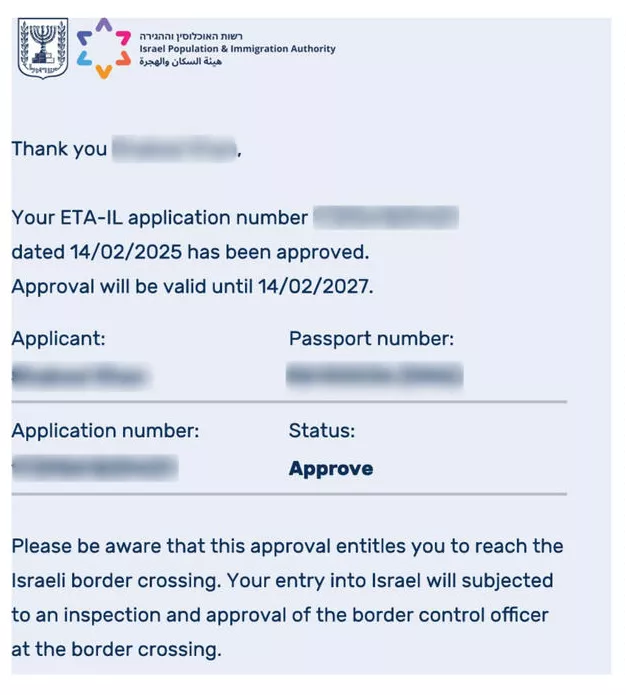
What Is the Israel A2 Student Visa?
The A2 visa is Israel’s dedicated student visa issued to foreign nationals who have been accepted into an accredited educational institution in Israel. Unlike the ETA-IL, which permits short-term visits for tourism or business, the A2 visa authorizes long-term residency for the purpose of academic study.
The A2 student visa is distinct from other Israel visa types, such as the B1 work visa, B2 tourist visa, or A3 clergy visa. Each serves a different purpose under Israeli immigration law. Working in Israel on an A2 visa is generally restricted, though limited part-time employment may be permitted under certain conditions.
Who Needs an A2 Student Visa?
Any foreign national who plans to study in Israel for more than 90 days needs an A2 student visa. This applies to:
- University students enrolled in undergraduate, graduate, or doctoral programs
- Seminary and yeshiva students attending religious study programs
- Language school students in long-term Hebrew (Ulpan) programs
- Exchange students participating in semester or year-long programs
- Research scholars conducting academic research at Israeli institutions
Citizens of visa-exempt countries eligible for the ETA-IL can enter Israel without a visa for short visits, but this does not authorize long-term study. If your program exceeds 90 days, you must apply for an A2 visa.
A2 Student Visa Requirements
To obtain an Israel A2 student visa, you must provide the following documents:
Required Documents
| Document | Details |
|---|---|
| Valid passport | Must be valid for at least 6 months beyond your planned stay |
| Completed visa application form | Form available from the Israeli consulate or embassy |
| Letter of acceptance | Official admission letter from an accredited Israeli institution |
| Proof of financial means | Bank statements or scholarship letter showing sufficient funds |
| Passport-sized photographs | Two recent color photos meeting Israeli visa photo standards |
| Health insurance proof | Coverage valid in Israel for the duration of studies |
| Criminal background check | Police clearance certificate from your country of residence |
| Visa fee payment | Payment confirmation of the applicable visa fee |
Financial Requirements
Applicants must demonstrate they have sufficient funds to cover tuition, living expenses, and return travel. As of 2026, the minimum financial requirement is approximately $10,000-$15,000 per year, though this varies by institution and location. Students on full scholarships may provide their scholarship letter in lieu of bank statements.
Health Insurance
All A2 visa holders must maintain valid health insurance throughout their stay in Israel. Most Israeli universities offer student health insurance plans, or you may purchase private international health insurance that covers Israel.
How to Apply for an Israel Student Visa
The application process for an A2 student visa involves several steps:
Step 1: Secure Admission
Before applying for the visa, you must receive an official acceptance letter from an accredited Israeli educational institution. This letter is a mandatory requirement for the visa application.
Step 2: Gather Required Documents
Collect all necessary documents as listed above. Ensure all documents are translated into Hebrew or English by a certified translator if they are in another language.
Step 3: Submit Application at Israeli Consulate
Submit your visa application at the nearest Israeli embassy or consulate in your country of residence. Some countries allow online pre-registration through the Israeli Ministry of Interior portal.
Step 4: Attend Interview (If Required)
Some applicants may be called for an in-person interview at the consulate. This is more common for first-time applicants or those from countries with higher immigration risk profiles.
Step 5: Receive Visa Decision
Processing times vary but typically take 2-6 weeks from the date of submission. Once approved, the A2 visa is stamped in your passport.
Step 6: Enter Israel and Register
Upon arrival in Israel, you must register with the local Ministry of Interior office (Misrad HaPnim) within 30 days to receive your student visa card (Teudat Zehut for students).
A2 Visa Duration and Renewal
The A2 student visa is typically issued for one academic year and can be renewed annually for the duration of your studies. Renewal requires:
- Proof of continued enrollment at the institution
- Satisfactory academic progress
- Updated financial documentation
- Valid health insurance
- Payment of renewal fee
Students in multi-year programs (bachelor’s, master’s, doctoral) can renew their A2 visa each year until program completion.
Costs of Studying in Israel
Understanding the financial commitment is essential when planning to study in Israel:
Tuition Fees
| Institution Type | Annual Tuition (Approx.) |
|---|---|
| Public university (undergraduate) | $3,000 – $5,000 |
| Public university (graduate) | $4,000 – $8,000 |
| Private institution | $8,000 – $20,000 |
| Yeshiva/seminary | $5,000 – $15,000 |
| Ulpan (language program) | $2,000 – $6,000 |
Living Expenses
| Expense | Monthly Cost (Approx.) |
|---|---|
| Housing (shared apartment) | $400 – $800 |
| Housing (university dormitory) | $300 – $600 |
| Food | $300 – $500 |
| Transportation | $50 – $100 |
| Books and supplies | $50 – $100 |
| Personal expenses | $100 – $300 |
Living costs in Tel Aviv and Jerusalem are significantly higher than in other Israeli cities like Be’er Sheva, Haifa, or Nazareth.
Working While on a Student Visa
A2 visa holders have limited work permissions in Israel:
- Part-time work: Students may work up to 20 hours per week during the academic term
- Full-time during breaks: Full-time employment is permitted during official university holidays and summer breaks
- On-campus employment: Many universities offer on-campus jobs that do not require additional permits
- Work permit required: For off-campus employment, students need a separate work permit from the Ministry of Interior
Working without proper authorization can result in visa cancellation and deportation.
Top Israeli Universities for International Students
Israel is home to world-renowned universities that attract thousands of international students each year:
- Hebrew University of Jerusalem – Ranked among the world’s top 100 universities
- Tel Aviv University – Israel’s largest university with strong research programs
- Technion – Israel Institute of Technology – Leading engineering and science institution
- Weizmann Institute of Science – Premier graduate research institution
- Ben-Gurion University of the Negev – Known for desert studies and cybersecurity
- University of Haifa – Strong programs in humanities and social sciences
- Bar-Ilan University – Notable for Jewish studies and interdisciplinary research
Each institution has its own international student office that assists with visa applications, housing, and cultural integration.
Converting a Student Visa to a Work Visa
After completing studies in Israel, graduates may be eligible to convert their A2 student visa to a B1 work visa. This process requires:
- A job offer from an Israeli employer
- The employer initiating the work permit application
- Meeting all B1 visa requirements
- Application submitted before the A2 visa expires
Some universities have partnerships with Israeli tech companies that facilitate this transition for top graduates.
Common Reasons for Visa Denial
A2 student visa applications may be denied for several reasons:
- Incomplete documentation – Missing or improperly translated documents
- Insufficient financial proof – Inability to demonstrate adequate funds
- Academic concerns – Lack of clear academic purpose or ties to home country
- Security concerns – Issues flagged during background checks
- Previous immigration violations – Overstaying or working illegally on a prior visit
If your application is denied, you have the right to appeal through the Israeli consulate or reapply with additional documentation.
Frequently Asked Questions
Can I bring my family on an A2 student visa?
Spouses and minor children of A2 visa holders may apply for an A2 dependent visa. However, dependents do not automatically receive work authorization.
Is the A2 visa the same as a student work permit?
No. The A2 visa permits study, not work. Work authorization requires a separate permit from the Ministry of Interior.
Can I switch universities while on an A2 visa?
Yes, but you must notify the Ministry of Interior and provide documentation from the new institution. The visa remains valid as long as you maintain enrollment at an accredited institution.
What happens if I drop out of my program?
If you leave your academic program, your A2 visa is no longer valid. You must either enroll in a new program, change your visa status, or leave Israel within the grace period.
Do I need to speak Hebrew to study in Israel?
Many programs are offered in English, especially at the graduate level. However, basic Hebrew is helpful for daily life. Most universities offer Ulpan (Hebrew language) courses as part of their international student programs.
How early should I apply for the student visa?
Apply at least 3-4 months before your program start date to allow sufficient processing time. Some consulates recommend applying up to 6 months in advance during peak seasons.